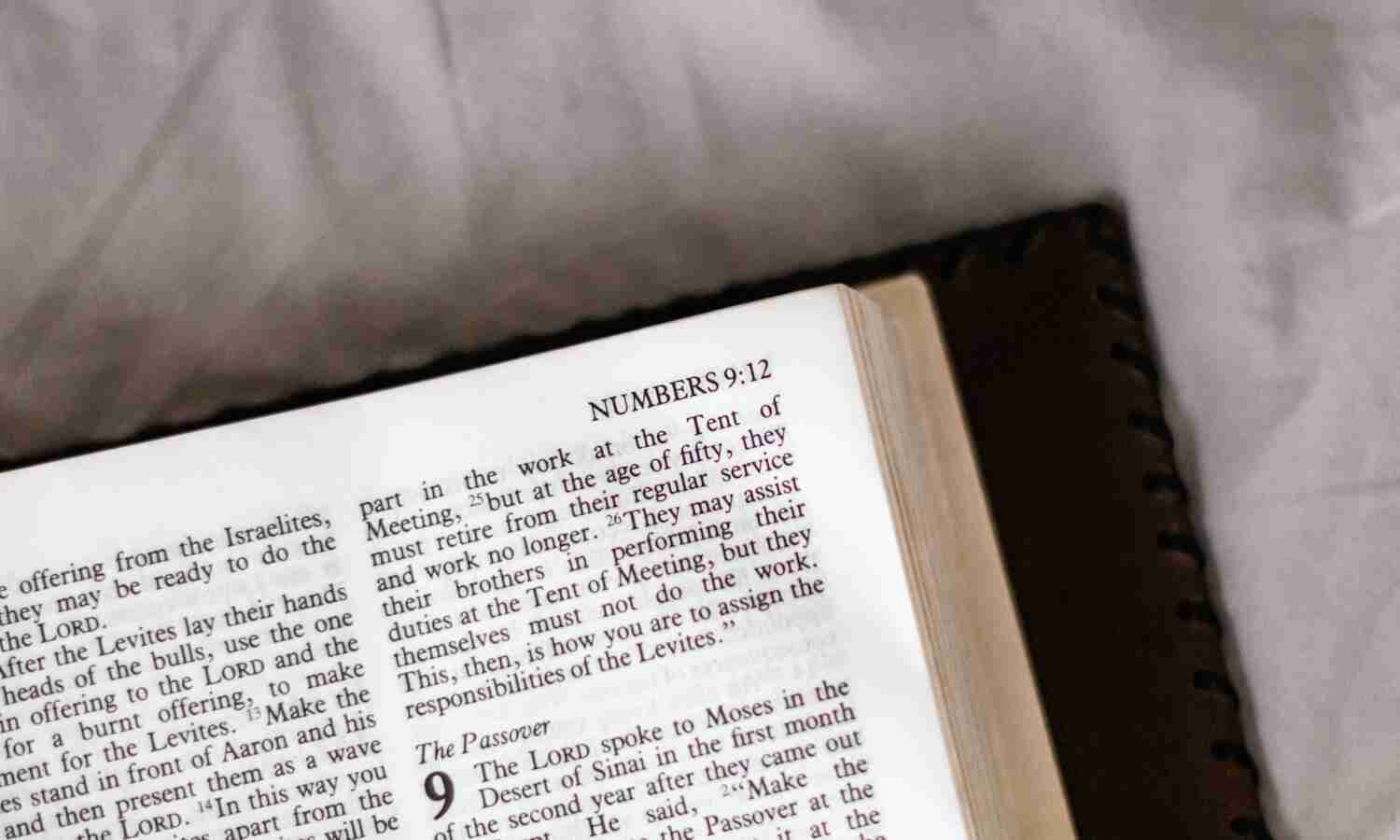

What does God teach us in the book of Numbers?

Numbers is the fourth book of the Old Testament. Its name comes from the censuses recorded in the book: one counting the people who came out of Egypt, and another taken forty years later of the generation that would enter the Promised Land. The book also recounts the journey of the Israelites as they wandered through the wilderness for forty years.

Historical background

The book of Numbers follows the books of Exodus and Leviticus. These two books record how the Israelites lived in slavery but were rescued by God, and then traveled through the wilderness towards the land of Canaan. God had promised their ancestors Abraham, Isaac and Jacob to give them this land as an eternal possession. The book of Exodus contains mainly stories from this period, and the book of Leviticus elaborates on all kinds of religious regulations God gave Israel at Mount Sinai. The book of Numbers describes what happened after the people left Mount Sinai and traveled further.

Chapters 1-6: census and regulations

The first chapters describe how Israel’s leader Moses counted all the men who were able to serve in the army. After all, they would have to fight when they arrived in their new land. The tribe of Levi had a special position. They were not soldiers, but had religious duties. Their families are listed in detail, and every family had a special task in caring for the Holy Tent. In addition to these lists, we find more laws about ritual cleanness, sacrifices and religious feasts.

Dedication of the tabernacle

The books of Exodus, Leviticus, and the first part of Numbers contain many detailed instructions for building the holy tent, known as the tabernacle. This tent served as the religious center for the Israelites during their journey through the wilderness. In Numbers 7, the tabernacle was finally dedicated, and the priests and Levites began their service there.

Unbelief at the gates of Canaan

In Numbers 10, the account of Israel’s journey continues. After spending a year camped near Mount Sinai—during which they received God’s laws and built the tabernacle—the people prepared to move toward the land of Canaan. They sent twelve spies to explore the land.

When the spies returned, ten of them reported that although the land was good, its inhabitants were too powerful for the Israelites. Two spies, however, urged the people to trust that everything would be well because God was with them.

But the majority of the people believed the discouraging report and began to complain: “Why is the Lord bringing us into this land, to fall by the sword? Our wives and our little ones will become a prey. Would it not be better for us to go back to Egypt?” (Numbers 14:3).

Throughout their journey, God had repeatedly shown His power. In Egypt He rescued the Israelites from their oppressors, and during their time in the wilderness He provided for all their needs—food, water, protection from enemies, and places to camp. Even their clothes and shoes did not wear out.

Yet the Israelites responded with unbelief and complaints, which provoked God’s anger. Instead of allowing them to enter the land He had promised, God commanded them to turn back. They were condemned to wander in the wilderness for another forty years, until that generation died in the desert—just as they themselves had feared. But God promised that their children would one day enter the land He had prepared for them.

Forty years in the wilderness

The second half of the book of Numbers reports about Israel’s forty years in the desert. There were various events where the people of Israel complained and revolted for one reason or another – the boring food, the lack of water, Moses’ leadership, and so on. We read how God dealt with all this complaining. At all these occasions, He punished the persons who rebelled. Sometimes these were individuals, at other times the people as a whole. But God never abandoned the people of Israel.

Even Moses and Aaron, the leaders of Israel, were punished by God because they failed to honor Him. As a result, they were not permitted to enter the Promised Land. The book also records additional laws and regulations given by God, many of them concerning religious life.

When the forty years in the wilderness had finally passed, the Israelites once again stood at the entrance to Canaan. This time they would indeed conquer the land, as is described in the book of Joshua.

Lessons for us

Some important lessons we learn from the book of Numbers:

  1. God will not tolerate sin, and will punish those who rebel against Him.
  2. God is faithful to His people, even when they are faithless.
  3. God is always faithful to His promises and will fulfill them, even if that seems impossible.
📁 , ,