
Who decides what or who is right?
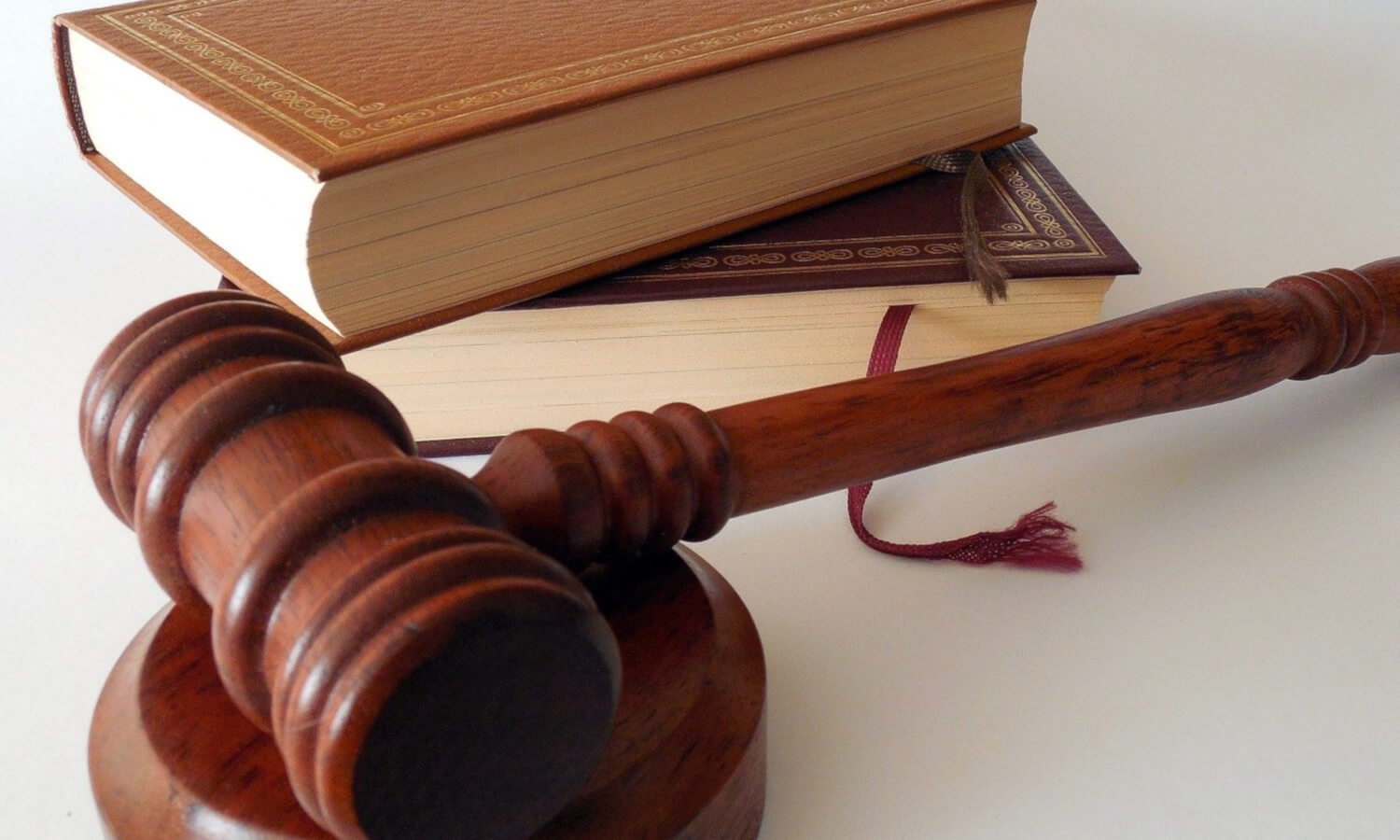
Across various cultures and nations, laws and regulations are established to promote order and harmony within society. When someone violates these laws, there are established processes—such as arrest, court proceedings, and judgment—to address the offense. Judges or governing authorities determine appropriate consequences based on agreed-upon standards. In this way, righteousness is reflected through justice that matches the seriousness of the wrongdoing. People often respond strongly when they perceive that justice has not been served appropriately. If a judge is perceived as being too lenient, it can lead to public outrage, a sense of injustice, and calls for accountability. This response reveals a universal human longing for fairness and righteousness—a desire to see wrongdoing addressed rightly. In the Bible, however, righteousness is not ultimately defined by human laws or opinions. True righteousness is grounded in God’s own character and revealed through His commandments. What is right is measured by God’s will and His perfect standard.What does it mean that God is righteous?
People in every nation live under the laws of their country. In the same way, God—who created the world and everything in it—has the rightful authority, privilege, and honor to establish the rules by which the world is governed.
God’s laws are recorded in the Bible. While they include the Ten Commandments, Scripture makes clear that obedience to God involves far more than these ten laws alone. The Ten Commandments summarize how to live in a right relationship with God and in a right relationship with other people.
Because God is the Creator of the universe and the source of its laws, He also has the authority to judge wrongdoing and determine appropriate punishment.
There is hope
According to Scripture, the punishment for disobedience to God is death. Ezekiel 18:20 states, “The soul who sins will die,” and Romans 5:12 explains, “Death spread to all men because all sinned.” By God’s universal standard, every human being stands condemned—this is what it means for God to be righteous.
If this were the end of the story, there would be no reason to care about the Bible or God’s commandments, since all would already be condemned. But for Christians—and for anyone who recognizes this reality—there is hope.
God created the world and every person in it, and because of this, He loves every human being who has ever lived. In His love, He reaches out with a solution to our hopeless condition.
Jesus took our punishment
John 3:16 tells us: “God so loved the world that He gave His only son, so that whoever believes in Him should not perish but have eternal life.”God sent His only Son, Jesus, into the world. Jesus never sinned and never disobeyed God, yet He was punished as though He had. He was crucified, died, and was buried. On the third day, He rose from the dead—because death had no power over Him, since He was without sin.
Through Jesus, God now offers every person freedom from condemnation. By believing that Jesus died in our place, that He took our punishment, and by asking God for forgiveness, we are cleansed from sin. From that point on, we submit ourselves to God, choosing to live as His servants in gratitude for what He has done so that we could be declared “not guilty.”
Jesus’ death shows God’s righteousness
God fully acknowledges that we have all sinned. Yet He made a way for us to be freed through the death of Jesus Christ. God’s law remains intact—every sin must be punished—but through Jesus’ sacrifice and our acceptance of it, the penalty has been paid.
In this way, God remains perfectly righteous: His law is upheld, justice is satisfied, and mercy is extended through Christ.